What is Māori Freehold Land?
Māori Freehold Land is land that has the legal status of Māori freehold land under Te Ture Whenua Māori Act 1993. The Act provides a specific legal framework governing its ownership, succession and alienation.
For many Māori landowners, whenua also represents whakapapa, identity, responsibility and connection to ancestral land passed through generations.
The Origins Of Māori Freehold Land
To understand Māori Freehold Land, it is important to understand its history.
Prior to European settlement, Māori held land according to tikanga, whakapapa and collective relationships through whānau, hapū and iwi. Land was not generally viewed as an individual commodity but as an inherited responsibility connecting people to their ancestors and descendants.
Throughout the nineteenth century, legislation introduced systems that converted customary interests into legally recognised ownership. The Native Land Court played a major role in this transformation by creating titles that could be recorded within the colonial legal system.
While significant areas of Māori land were alienated over time, other areas remained in Māori ownership. Māori Freehold Land is now one of the statutory land statuses recognised under Te Ture Whenua Māori Act 1993 and is subject to its specific legal framework.
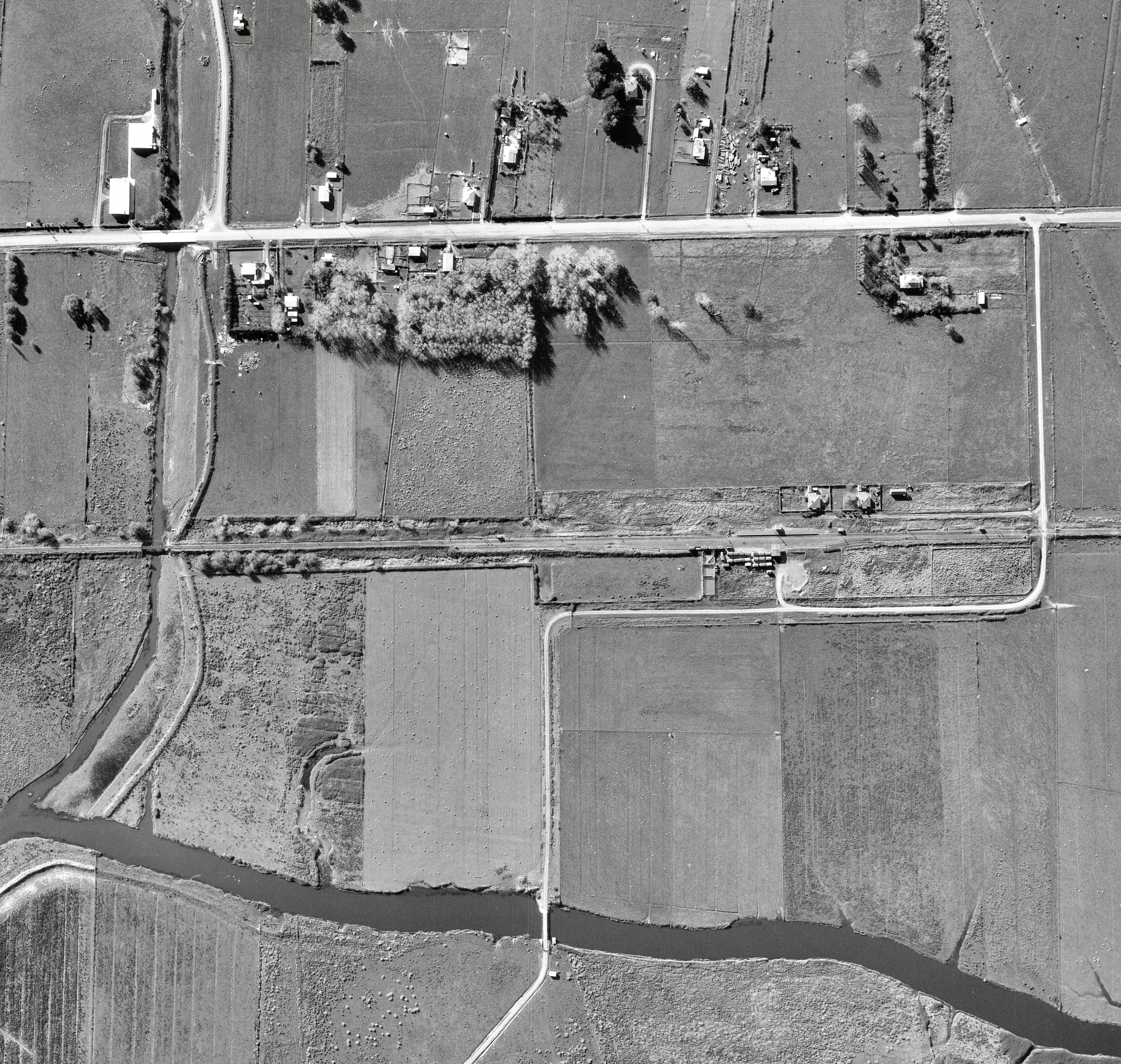
Māori Freehold Land At A Glance
• Māori Freehold Land has a specific legal status under
Te Ture Whenua Māori Act 1993.
• A block can have multiple owners with recorded ownership
interests.
• Ownership interests can pass through succession.
• Ahu Whenua Trusts may administer Māori land for the benefit
of persons beneficially entitled.
• Modern visualisation tools can help owners understand
ownership information and its relationship to the whenua.
Why Māori Freehold Land Is Different
Māori Freehold Land differs from ordinary property ownership because it is subject to a specific statutory framework governing matters including ownership, succession, alienation and the administration of Māori land.
For many owners, whenua also carries cultural, historical and spiritual significance. It can represent whakapapa, identity, belonging and responsibility to tūpuna and future generations.
Whenua is more than an asset.
For many Māori landowners it represents whakapapa, identity, responsibility and connection to future generations.
How Māori Land Shares Work
A Māori land block can have multiple owners with recorded ownership interests. These interests may be expressed through shareholdings or other recorded interests associated with the block.
An ownership interest does not automatically mean that the owner has a physically surveyed piece of the land. The legal and governance arrangements applying to the block determine how ownership, occupation and use operate.
An owner may hold a different interest from another owner. Depending on the legal and governance structure applying to the land, ownership interests may affect participation, voting or other rights.
Over generations, succession can result in ownership interests passing to descendants. This can create blocks with hundreds or even thousands of owners connected through whakapapa.
Does a Māori land share represent a physical piece of land?
Not necessarily. A recorded ownership interest represents an interest in the block rather than automatically identifying a physically surveyed portion of the whenua. Physical occupation or use depends on the legal and governance arrangements applying to the land.
Māori Land Succession
When a person with an interest in Māori Freehold Land dies, succession determines who is legally entitled to that interest.
Succession to Māori Freehold Land is governed by specific provisions of Te Ture Whenua Māori Act 1993. The applicable rules can depend on the circumstances, including whether the deceased left a will.
The Māori Land Court can make orders determining succession to Māori land interests. Simple and uncontested matters may also be dealt with by a Registrar where the law permits.
As interests pass through generations, succession can create increasingly complex ownership structures within Māori land blocks.
Ahu Whenua Trusts And Governance
An Ahu Whenua Trust is a trust that the Māori Land Court may constitute under section 215 of Te Ture Whenua Māori Act 1993 in respect of Māori land or General land owned by Māori.
The purpose of an Ahu Whenua Trust is to promote and facilitate the use and administration of the land in the interests of the persons beneficially entitled to it.
Trustees administer the trust property and exercise the powers and duties provided by the trust order and relevant law.
Understanding the distinction between trustees, beneficial owners, shareholders and the trust structure is important when considering Māori land governance.
Challenges Facing Māori Freehold Land
Māori Freehold Land operates within a distinctive legal and ownership environment, and landowners can face practical challenges when managing complex ownership structures.
These may include fragmented ownership, difficulty locating owners, succession matters, governance complexity and access to accurate ownership information.
Many owners live away from their whenua and may have limited opportunities to engage with ownership records or governance processes.
As ownership structures become more complex, clear and accessible information becomes increasingly important.
Modern Technology And Māori Land
Digital technology is creating new opportunities for owners to understand and engage with their whenua.
Mapping systems, visualisation tools and land information platforms can transform complex ownership information into practical knowledge that is easier for shareholders and whānau to understand.
This can be particularly useful for descendants who live away from their whenua but wish to strengthen their understanding of ownership, governance and whakapapa connections.
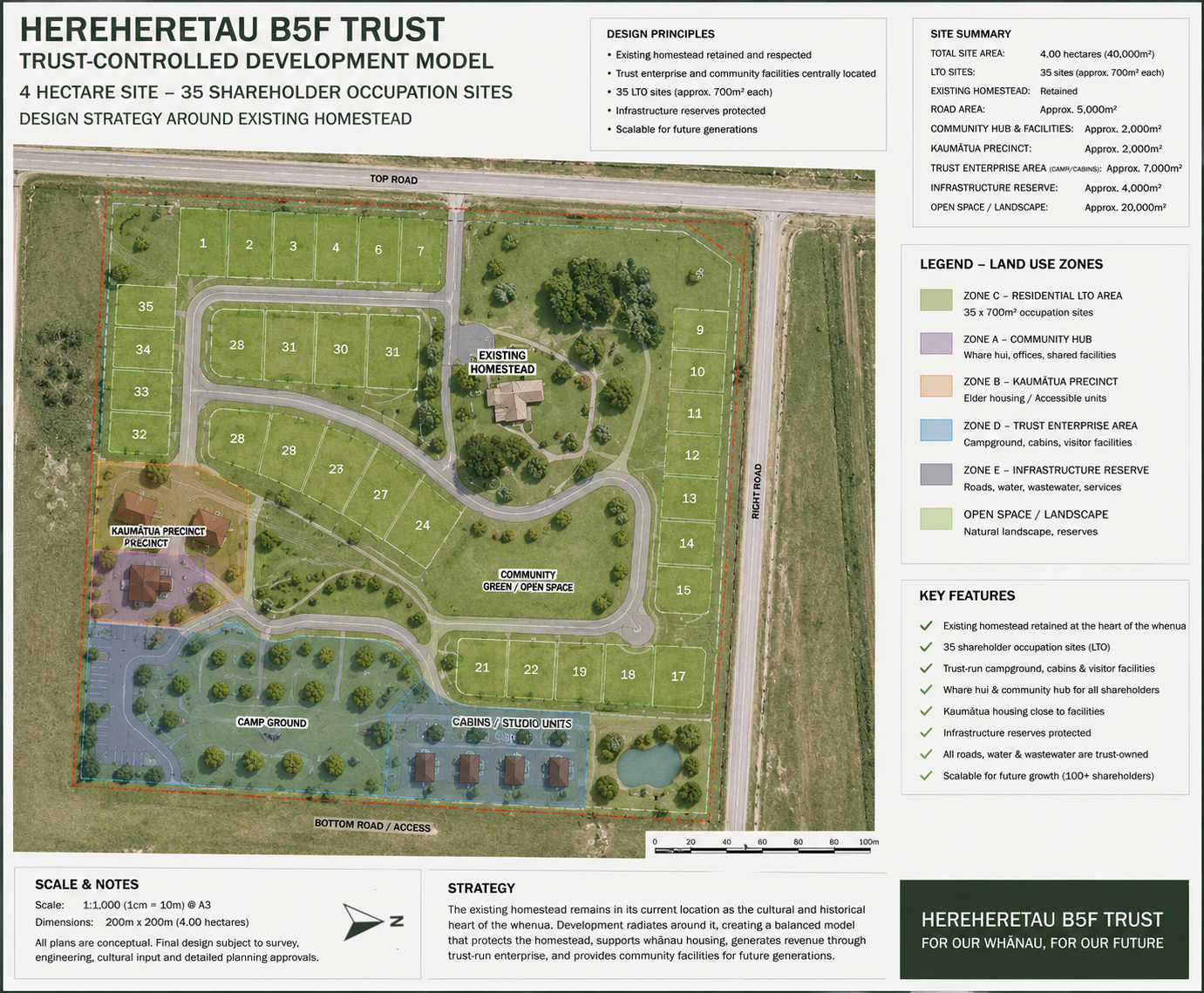
See Your Ownership Visually
The Whenua Māori Share Visualizer helps transform ownership information into something meaningful and easier to understand.
Search Māori land blocks, explore ownership information and visualise how recorded interests relate to the whenua.
The visualisation is an information tool. It does not create, alter or replace legal title, survey boundaries, Māori Land Court orders or official ownership records.
Launch Free Visualizer →Frequently Asked Questions
What is Māori Freehold Land?
Māori Freehold Land is land with the legal status of Māori freehold land under Te Ture Whenua Māori Act 1993. The Act provides a specific legal framework governing its ownership, succession and alienation.
Is Māori Freehold Land the same as ordinary property?
No. Māori Freehold Land has a specific legal status under Te Ture Whenua Māori Act 1993 and is subject to statutory provisions concerning matters such as ownership, succession, use and alienation.
Can Māori Freehold Land be sold?
Māori Freehold Land can be alienated in circumstances permitted by Te Ture Whenua Māori Act 1993. Different types of transactions are subject to specific statutory requirements, and Māori Land Court involvement or confirmation may be required depending on the transaction.
How does Māori land succession work?
Succession determines who is entitled to a deceased person's Māori land interest. The rules are set out in Te Ture Whenua Māori Act 1993 and can depend on whether the person left a will and the circumstances of the succession. The Māori Land Court can make orders determining succession.
What is an Ahu Whenua Trust?
An Ahu Whenua Trust is a trust that the Māori Land Court may constitute under section 215 of Te Ture Whenua Māori Act 1993 to promote and facilitate the use and administration of Māori land in the interests of the persons beneficially entitled to it.
Does a Māori land share represent a physical piece of land?
Not necessarily. A recorded ownership interest represents an interest in the block rather than automatically identifying a physically surveyed portion of the land. Physical occupation or use depends on the legal and governance arrangements applying to the land.
Why do some Māori land blocks have hundreds of owners?
Over generations, succession can divide ownership interests among descendants. This can retain ownership connections within whānau while creating large and complex ownership structures.
Continue Learning
About Whenua Māori
Whenua Māori is an independent Māori land information and visualisation platform created by Māori land shareholder Nicolas Brown.
The platform was developed to help landowners better understand ownership interests, governance structures and their connection to whenua through modern technology and visualisation tools.
The goal is simple: Help shareholders understand their whenua.
Authoritative Sources
- Te Ture Whenua Māori Act 1993
- Māori Land Court
- Land Information New Zealand (LINZ)
- Tūhono Whenua Māori Land Ownership Resources
- Parliamentary and Historical Research Material