What Is Māori Land Succession?
Māori land succession is the legal process for determining who becomes entitled to a deceased person's interest in Māori land. For Māori freehold land, succession is governed by the succession provisions of Te Ture Whenua Māori Act 1993. The Māori Land Court determines succession to beneficial entitlements, while the Registrar may determine simple and uncontested succession matters where the Act permits.
For many whānau, succession is also a continuation of whakapapa and connection to whenua. Keeping succession records current helps the people entitled to interests participate in the ownership and governance of the land.
Why Māori Land Succession Matters
Succession determines and records who becomes entitled to a deceased person's Māori land interest under the applicable provisions of Te Ture Whenua Māori Act 1993.
Where succession has not been completed, ownership information may continue to show the deceased owner. This can make it harder to identify the people currently entitled to interests and participate in governance.
Succession therefore has both a legal and practical purpose: it identifies the successor or successors and helps keep ownership information current.
For many whānau, succession is also a continuation of whakapapa and connection to ancestral whenua.

What Happens When a Māori Landowner Passes Away?
When a person who holds an interest in Māori freehold land dies, the interest is dealt with under the succession provisions of Te Ture Whenua Māori Act 1993. It does not simply pass according to the ordinary rules that apply to other property.
The applicable succession rules depend on the circumstances, including whether the owner left a will and the type of interest involved.
The Māori Land Court has jurisdiction to determine succession to beneficial entitlements in Māori freehold land. Simple and uncontested succession matters may be determined by the Registrar where the statutory requirements are met.
Once succession has been determined, the result can be reflected in the relevant ownership records.
Who Can Inherit Māori Land?
Eligibility is determined by the succession provisions of Te Ture Whenua Māori Act 1993 and the circumstances of the deceased owner. For intestacy, section 109 sets out the people primarily entitled to succeed to a beneficial interest in Māori freehold land, including children and, in specified circumstances, descendants of a predeceased child.
Where a valid will exists, it can be relevant, but a person cannot generally leave a beneficial interest in Māori freehold land to just anyone. Section 108 of the Act limits who may receive such an interest by will.
The Act also contains specific provisions dealing with surviving spouses or partners and other categories of people. The correct entitlement therefore needs to be assessed against the particular circumstances rather than assumed from family relationship alone.
As interests pass through generations, a block can have many recorded owners. Succession is one of the processes that determines how those interests are dealt with after an owner's death.
Māori Land Succession at a Glance
- Succession determines entitlement to a deceased person's Māori land interest.
- The applicable rules come from Te Ture Whenua Māori Act 1993.
- The Māori Land Court determines succession to beneficial entitlements in Māori freehold land.
- Simple or uncontested matters may be determined by the Registrar where the law permits.
- A will may be relevant, but statutory succession rules still apply.
The Māori Land Court Succession Process
Succession applications are dealt with under the Māori Land Court's succession jurisdiction. The exact process depends on the circumstances and whether the matter is simple and uncontested.
Step 1: An application is made to the Māori Land Court using the applicable succession process.
Step 2: Supporting information is provided. Depending on the case, this may include a death certificate, will, grant of administration and information establishing the deceased person's interests and the people entitled to succeed.
Step 3: The Registrar or Court considers the application and the evidence against the relevant succession provisions.
Step 4: A succession order or other appropriate determination identifies the person or people entitled to the interest.
Step 5: The succession result is recorded in the relevant ownership records.
Simple and uncontested succession applications may be able to be received, confirmed and recorded by the Registrar rather than requiring a full Court hearing, where the statutory requirements are met.
Common Māori Land Succession Challenges
While succession is an important process, many whānau face challenges when updating ownership records across generations.
Some land blocks have ownership interests that have not been updated for decades, resulting in large numbers of deceased owners remaining on ownership records.
Other challenges include locating descendants, establishing whakapapa connections, obtaining documentation and navigating complex ownership structures involving hundreds of shareholders.
As ownership interests continue to pass through generations, accurate succession becomes increasingly important for effective governance, communication and long-term planning.
Modern Technology and Māori Land Succession
Digital technology is creating new opportunities for owners to better understand their inherited interests and ownership connections.
Modern mapping systems, visualisation tools and ownership databases help transform complex ownership information into something more meaningful and accessible for shareholders.
For descendants who may live far from their whenua, technology can help reconnect people with their ownership interests and improve understanding of governance, succession and future opportunities.
These tools do not replace legal succession processes, but they can make ownership information easier to understand and share among whānau.
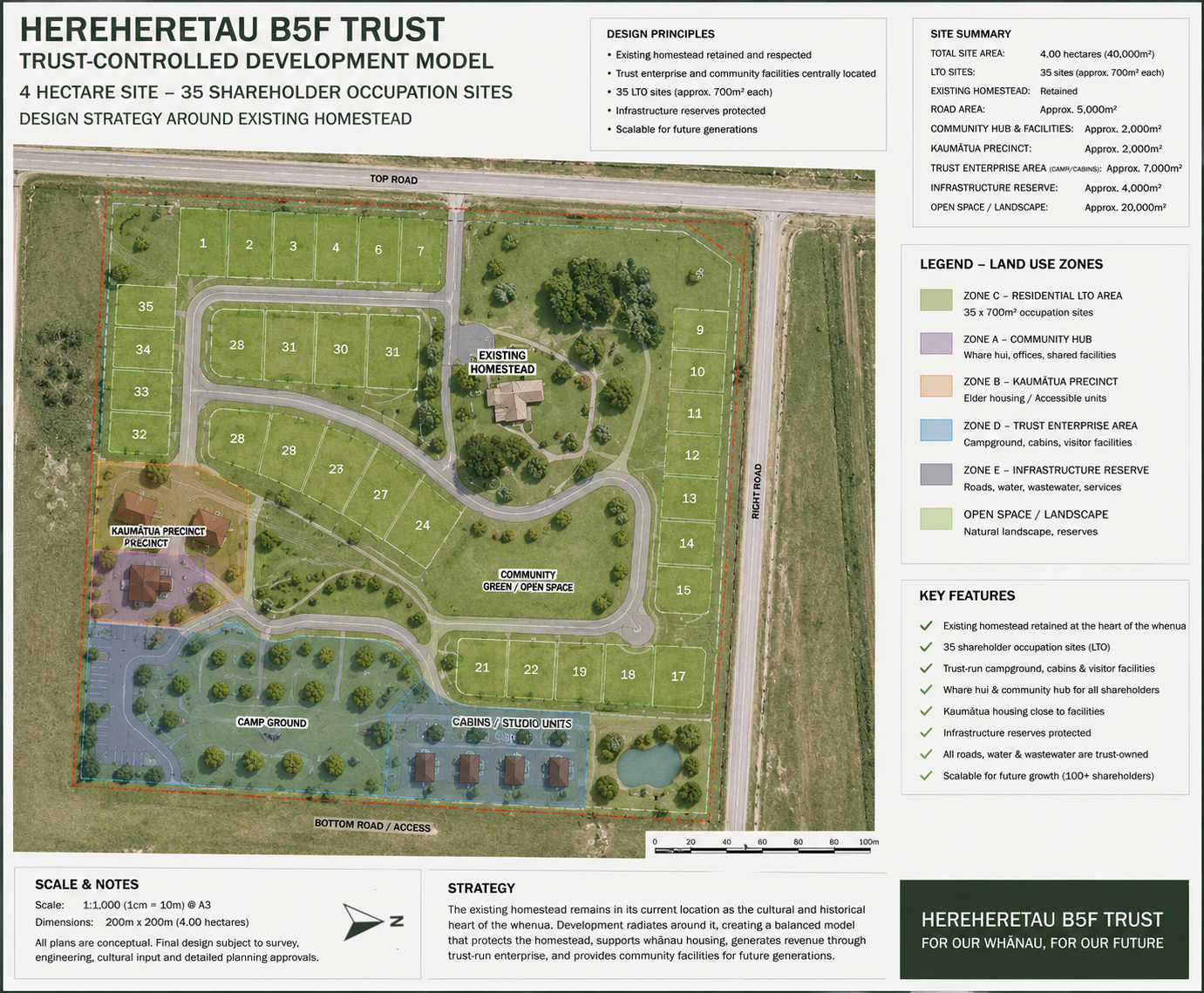
Discover Your Whenua
The Whenua Māori Share Visualizer helps transform ownership records into something meaningful and easy to understand. Search Māori land blocks, explore ownership information and better understand how succession connects you to your whenua.
Launch Free Visualizer →